
The Nature of Luck in Gambling
Luck is often seen as a whimsical force that plays a significant role in gambling. In the world of casinos, the concept of luck suggests that outcomes can be influenced by chance rather than skill. Many players believe that luck can turn the tide in their favor during games like blackjack, poker, or slots, especially when they engage with an online casino australia real money experience. However, this belief in luck can be both a boon and a bane, impacting players’ decisions and their experience at the tables.
The randomness of many casino games means that luck is inherently involved. For instance, in games of chance, such as roulette, players rely on luck to determine where the ball will land. Similarly, slot machines are programmed with random number generators, making every spin unpredictable. Thus, luck undeniably plays a central role in these games, but understanding the mechanics behind them can alleviate the emotional highs and lows that come with relying solely on luck.
Yet, not all gambling outcomes are purely luck-based. Some games require skill and strategy alongside luck. For example, poker combines luck with psychological strategy and mathematical calculations. A player skilled in reading others can significantly increase their chances of winning, suggesting that while luck is a factor, skill also dictates success at the tables.
The Psychology of Believing in Luck
The belief in luck can have profound psychological effects on gamblers. When players win due to favorable outcomes, they often attribute their success to their lucky streak, reinforcing their belief in luck. This mindset can lead to a continuous cycle where players chase the next “lucky” moment, often disregarding the odds and probabilities involved in their favorite games. This psychological phenomenon can be particularly dangerous, leading to overconfidence and eventually, gambling problems.
Moreover, players often develop routines or rituals that they believe enhance their luck. These behaviors, known as superstitions, might include wearing specific clothing, using particular betting strategies, or avoiding certain numbers. While these actions may not have any statistical backing, they provide a sense of control and comfort to players. The mind’s connection to luck can create an emotional bond with the game, influencing how individuals engage with gambling.
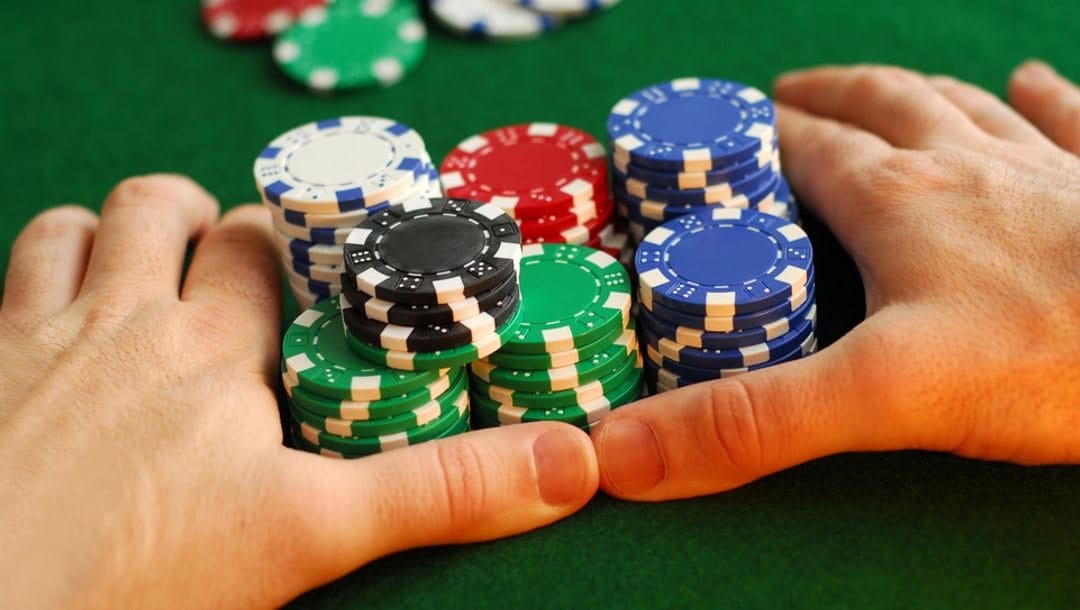
Additionally, the environment of casinos can exacerbate the allure of luck. The bright lights, sounds of winning machines, and celebratory atmosphere create an engaging experience. Players may feel that luck is in the air, and this excitement can lead to increased betting and risk-taking behavior. Understanding the psychological impact of luck can help players navigate their gambling experiences more wisely and responsibly.
The Role of Odds and House Edge
While luck plays a role in gambling, understanding the concept of odds is crucial for success in the casino environment. Each game is designed with a house edge, which is the mathematical advantage the casino has over the players. This means that, over time, the house will always win more often than the players. For example, in games like blackjack, while skilled players can reduce the house edge, the element of luck remains an unpredictable factor affecting both players and the house.
In games of pure luck, such as slot machines, players need to be aware that the odds are not in their favor. Each spin is independent, and the outcomes are determined by random number generators. Understanding these odds can help players set realistic expectations and avoid the misconceptions that a hot streak of luck will last indefinitely. By educating themselves about the odds, players can make informed decisions about how much to wager and how long to play.
Ultimately, balancing luck with a solid understanding of the odds can improve one’s overall gaming experience. Players who approach gambling with a strategic mindset, recognizing the difference between luck and the odds, can engage in more responsible gambling. By acknowledging the house edge and exercising self-control, individuals can enjoy the thrill of casino games while minimizing the risks associated with gambling.
The Influence of Strategy and Skill
While luck is often celebrated in casino culture, the importance of strategy and skill cannot be understated. Games like poker and blackjack require players to employ strategies that can significantly impact the outcome of the game. Successful players analyze their opponents, calculate risks, and make decisions based on probabilities. This strategic approach illustrates that while luck may come into play, skill often determines long-term success.
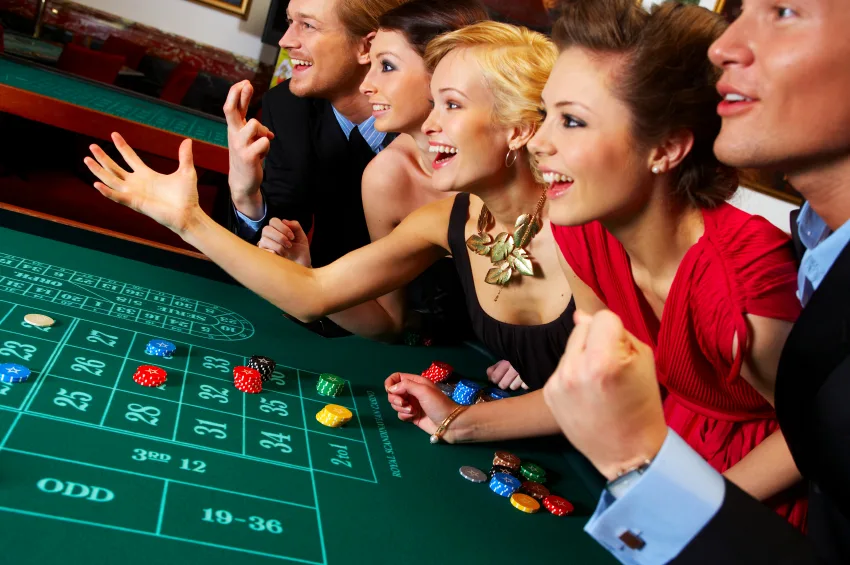
Moreover, honing one’s skills through practice and study can lead to improved results and a better understanding of the games. Players who dedicate time to learning strategies, such as card counting in blackjack or understanding pot odds in poker, can tilt the odds more in their favor. This combination of knowledge and application can diminish the reliance on luck, allowing players to navigate the game more effectively.
For enthusiasts willing to invest time in strategy, the blend of skill and luck can create a rewarding gambling experience. Winning in games requiring strategy can ultimately be more satisfying, as it affirms a player’s abilities and knowledge. By recognizing the importance of skill alongside luck, players can refine their approach to gambling, leading to a more fulfilling engagement with the casino.
Your Experience in the Casino
Your experience in the casino can be greatly influenced by your mindset regarding luck, skill, and strategy. Understanding that chance plays a role while also recognizing the importance of making informed decisions can enhance your gaming experience. Remember that every player has their unique approach, and finding the balance that works for you is key to enjoying casino games.
Choosing a casino that aligns with your gaming interests and skill level can also impact your experience. Some establishments are known for their vibrant environments that encourage play based on luck, while others cater to strategic games. Whichever you choose, knowing the strengths and weaknesses inherent to your chosen game can help you navigate the casino landscape more effectively.
Investing in your knowledge about games and self-regulating your play can lead to more satisfying experiences at the casino. Remember, understanding the interplay between luck and skill can empower you to make better choices and enjoy your time without the burden of unrealistic expectations. Embrace the excitement of gambling, but do so with a balanced perspective for an enjoyable experience.
